
 Phone :- +91 9599005237, +91 8708905588
DG Stack
DG Stack – Efficient Emission Management for Generators and Industries
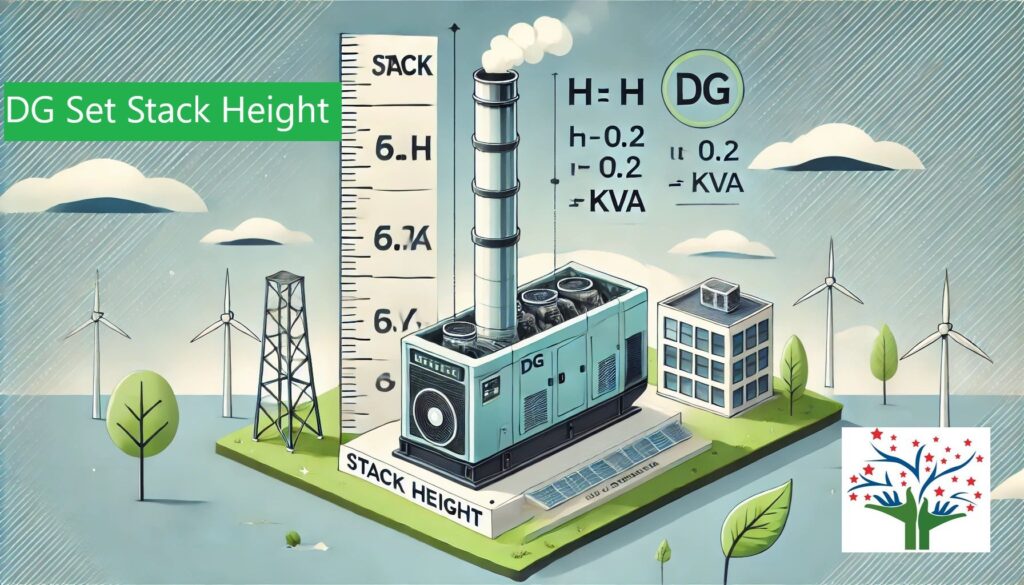
DG stack emissions refer to the pollutants released from diesel generators, which must be monitored to comply with environmental regulations and protect public health.
What are DG Stack Emissions?
Diesel generators (DG sets) are commonly used for power generation, especially in areas with unreliable electricity supply. However, they emit various pollutants that can harm air quality and public health. Key emissions from DG sets include:
- Nitrogen Oxides (NOx): Contribute to respiratory problems and smog formation.
- Carbon Monoxide (CO): Reduces oxygen flow in the bloodstream, leading to health issues like dizziness and fatigue.
- Particulate Matter (PM): Affects lung and heart function, posing serious health risks.
- Hydrocarbons (HC): Linked to cancer and other health concerns.
- Carbon Dioxide (CO2): Contributes to global warming and climate change.
We can help
Conclusion
DG stack emissions are a significant environmental concern, and effective monitoring is essential for compliance with regulations and the protection of public health. Organizations must implement robust monitoring practices to manage emissions from diesel generators effectively. By adhering to CPCB guidelines and conducting regular emissions testing, industries can contribute to a cleaner and healthier environment.
Other Services
Importance of Monitoring DG Stack Emissions
Monitoring DG stack emissions is crucial for several reasons:
- Regulatory Compliance: The Central Pollution Control Board (CPCB) has established stringent emission standards for DG sets to minimize environmental impact. Compliance with these standards is mandatory for all new generators starting from July 1, 2025.
- Public Health Protection: Regular monitoring helps ensure that emissions remain within safe limits, protecting communities from the harmful effects of air pollution.
- Environmental Responsibility: By demonstrating compliance with emission standards, organizations can avoid legal penalties and showcase their commitment to sustainability.
- Operational Efficiency: Monitoring can help optimize the performance of diesel generators, reducing fuel consumption and operational costs while minimizing emissions.